


How to improve the quality of medical accessories shell hardware parts through precision machining technology?
Release Time : 2025-07-07
In the field of medical equipment, the quality of accessory shell hardware parts is directly related to the performance, reliability and safety of the equipment. As the core means to improve the quality of these key components, precision machining technology not only ensures the high precision and consistency of parts, but also greatly enhances their durability and functionality. By adopting advanced manufacturing processes and strict quality control measures, medical accessories shell hardware parts can meet the high standards of the industry.
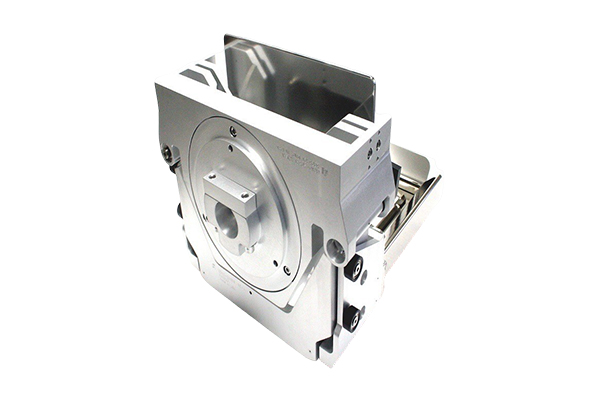
First of all, precision machining technology can significantly improve the dimensional accuracy and shape tolerance of parts. This is due to the combination of modern numerical control machine tools (CNC) and computer-aided design (CAD) software. Through precise programming, CNC machine tools can perform cutting, drilling, grinding and other operations according to preset paths to produce parts that meet the requirements of complex geometric shapes. For medical accessory shells, this high-precision machining ensures a perfect fit between components, reduces errors in the assembly process, and improves the stability of the overall structure. In addition, the tightly fitting interface can effectively prevent external contaminants from entering the interior of the device, ensuring the safety and hygiene standards of medical devices.
Secondly, material selection is also one of the important factors affecting the quality of medical accessories shell hardware parts. Different application scenarios require different material properties, such as high strength, corrosion resistance or biocompatibility. Through precision machining technology, manufacturers can select the most suitable raw materials according to specific needs and use advanced forming methods to realize them into finished products. For example, in some cases, titanium alloys are widely used in medical devices due to their excellent mechanical properties and good biocompatibility. However, titanium alloys are hard and difficult to process by traditional processing methods. With the help of precision machining technology, especially non-contact processing methods such as laser cutting and EDM, this problem can be effectively overcome to ensure the surface quality and internal structure consistency of parts.
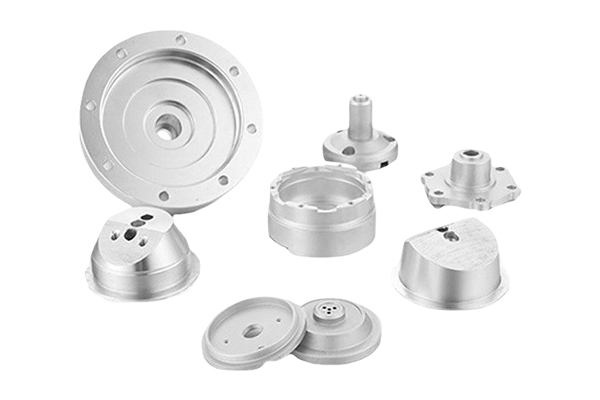
Precision machining also pays special attention to detail processing, such as edge chamfering and surface polishing. High-quality edge processing can not only avoid sharp edges from causing harm to the human body, but also facilitate smooth docking during subsequent assembly; while smooth surfaces help reduce friction and extend service life. More importantly, for medical accessories that need to be in direct contact with the human body or implanted in the body, fine surface treatment can minimize the risk of infection and improve patient comfort and treatment effect. Therefore, whether from an aesthetic or practical point of view, the exquisite appearance brought by precision machining is an indispensable quality feature.
In addition to the optimization of the above physical properties, precision machining technology also plays an important role in improving the functions of parts. With the development of microelectronics and sensor technology, more and more miniaturized and intelligent components are integrated into medical equipment. This requires that hardware parts must not only have the strength and rigidity in the traditional sense, but also have good conductivity, heat dissipation and electromagnetic shielding capabilities. Through special processes such as precision stamping and deep drawing, additional functional characteristics can be given to the parts without affecting the overall structure, so that they can better serve the complex medical system architecture.
Finally, it cannot be ignored that precision machining technology is inseparable from the support of a strict quality inspection system. Throughout the production process, every link needs to be carefully inspected to ensure that the final product meets the expected standards. The application of advanced detection tools such as non-destructive testing, three-dimensional scanning, and microscopic analysis enables potential defects to be discovered and corrected in a timely manner at an early stage. At the same time, the continuous improvement mechanism also prompts companies to continuously explore more efficient processing methods, striving to further improve product quality while reducing costs.
In summary, through the application of precision machining technology, the quality of medical accessories shell hardware parts has been comprehensively improved. Whether it is dimensional accuracy, material selection, detail processing or functional enhancement, precision machining has demonstrated incomparable advantages. It not only meets the needs of modern medical equipment for high-performance components, but also provides patients with a safer and more reliable treatment environment. In the future, with the advancement of science and technology and the integration of innovative ideas, precision machining will surely play a greater role in promoting the development of the medical industry.
First of all, precision machining technology can significantly improve the dimensional accuracy and shape tolerance of parts. This is due to the combination of modern numerical control machine tools (CNC) and computer-aided design (CAD) software. Through precise programming, CNC machine tools can perform cutting, drilling, grinding and other operations according to preset paths to produce parts that meet the requirements of complex geometric shapes. For medical accessory shells, this high-precision machining ensures a perfect fit between components, reduces errors in the assembly process, and improves the stability of the overall structure. In addition, the tightly fitting interface can effectively prevent external contaminants from entering the interior of the device, ensuring the safety and hygiene standards of medical devices.
Secondly, material selection is also one of the important factors affecting the quality of medical accessories shell hardware parts. Different application scenarios require different material properties, such as high strength, corrosion resistance or biocompatibility. Through precision machining technology, manufacturers can select the most suitable raw materials according to specific needs and use advanced forming methods to realize them into finished products. For example, in some cases, titanium alloys are widely used in medical devices due to their excellent mechanical properties and good biocompatibility. However, titanium alloys are hard and difficult to process by traditional processing methods. With the help of precision machining technology, especially non-contact processing methods such as laser cutting and EDM, this problem can be effectively overcome to ensure the surface quality and internal structure consistency of parts.
Precision machining also pays special attention to detail processing, such as edge chamfering and surface polishing. High-quality edge processing can not only avoid sharp edges from causing harm to the human body, but also facilitate smooth docking during subsequent assembly; while smooth surfaces help reduce friction and extend service life. More importantly, for medical accessories that need to be in direct contact with the human body or implanted in the body, fine surface treatment can minimize the risk of infection and improve patient comfort and treatment effect. Therefore, whether from an aesthetic or practical point of view, the exquisite appearance brought by precision machining is an indispensable quality feature.
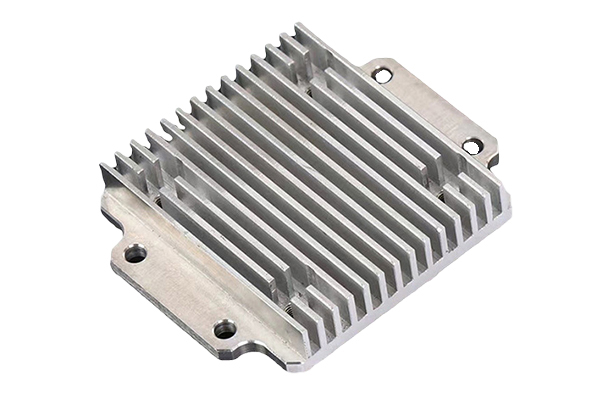
In addition to the optimization of the above physical properties, precision machining technology also plays an important role in improving the functions of parts. With the development of microelectronics and sensor technology, more and more miniaturized and intelligent components are integrated into medical equipment. This requires that hardware parts must not only have the strength and rigidity in the traditional sense, but also have good conductivity, heat dissipation and electromagnetic shielding capabilities. Through special processes such as precision stamping and deep drawing, additional functional characteristics can be given to the parts without affecting the overall structure, so that they can better serve the complex medical system architecture.
Finally, it cannot be ignored that precision machining technology is inseparable from the support of a strict quality inspection system. Throughout the production process, every link needs to be carefully inspected to ensure that the final product meets the expected standards. The application of advanced detection tools such as non-destructive testing, three-dimensional scanning, and microscopic analysis enables potential defects to be discovered and corrected in a timely manner at an early stage. At the same time, the continuous improvement mechanism also prompts companies to continuously explore more efficient processing methods, striving to further improve product quality while reducing costs.
In summary, through the application of precision machining technology, the quality of medical accessories shell hardware parts has been comprehensively improved. Whether it is dimensional accuracy, material selection, detail processing or functional enhancement, precision machining has demonstrated incomparable advantages. It not only meets the needs of modern medical equipment for high-performance components, but also provides patients with a safer and more reliable treatment environment. In the future, with the advancement of science and technology and the integration of innovative ideas, precision machining will surely play a greater role in promoting the development of the medical industry.